
Racheal Cain
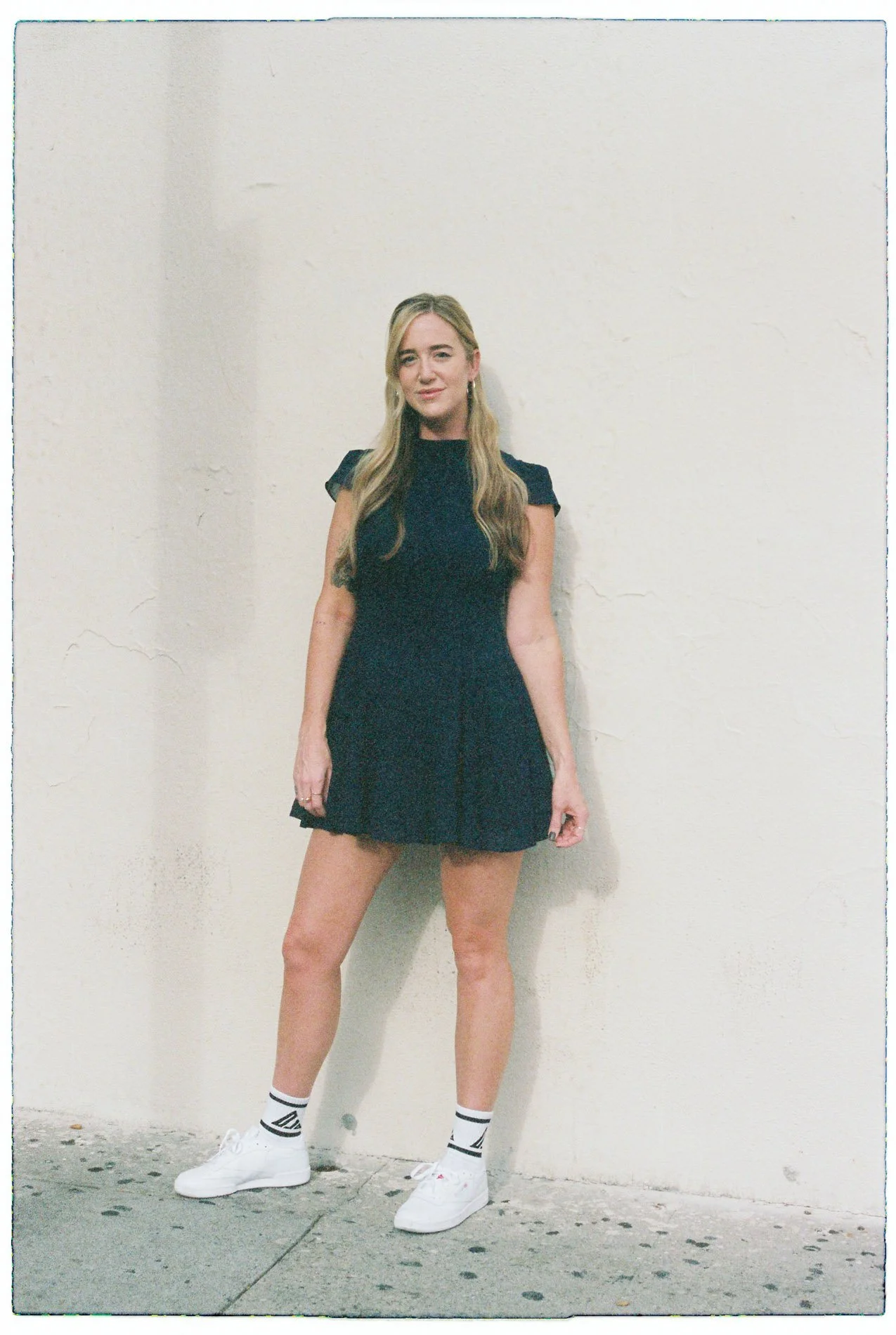
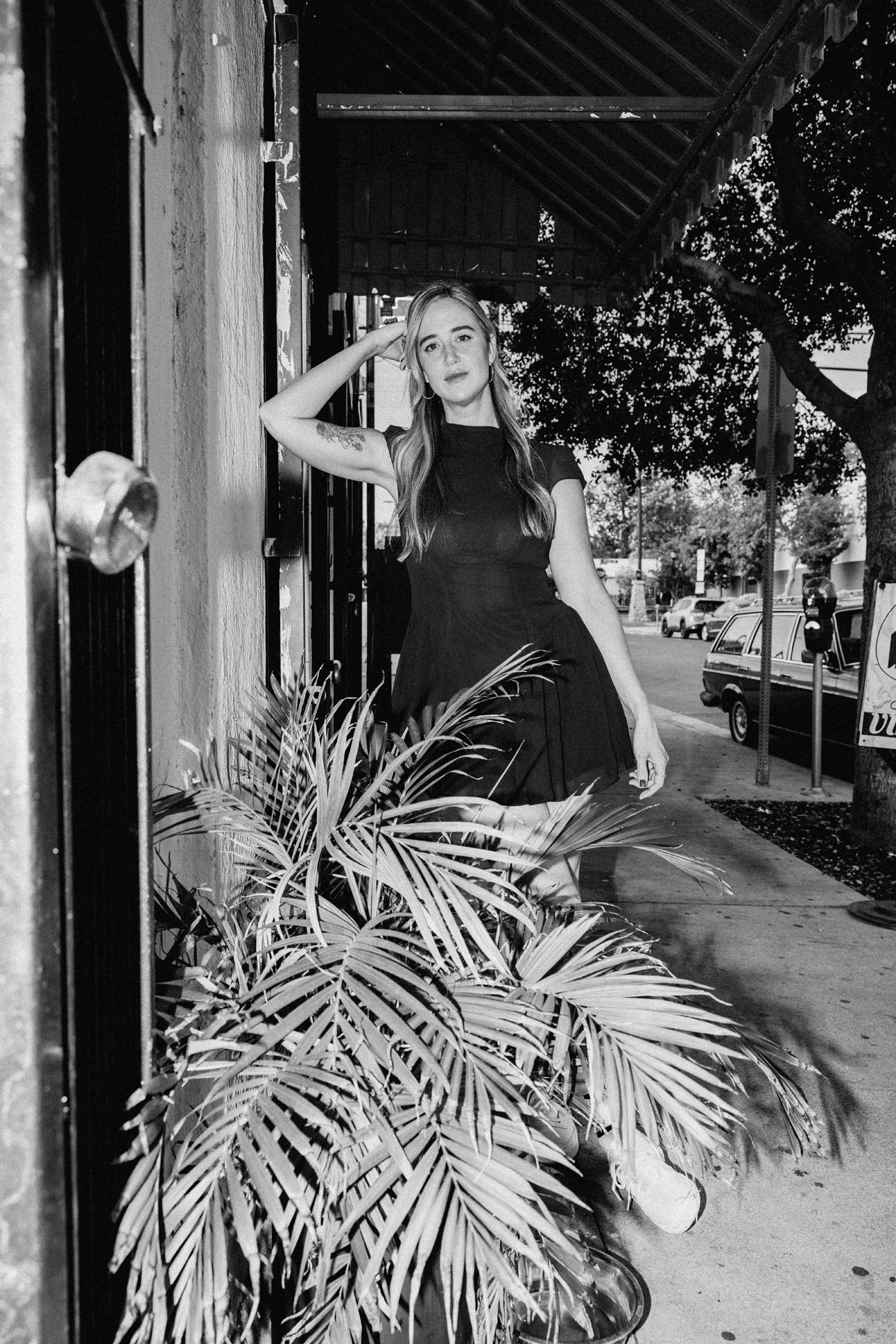
In Conversation with Chloë Levine
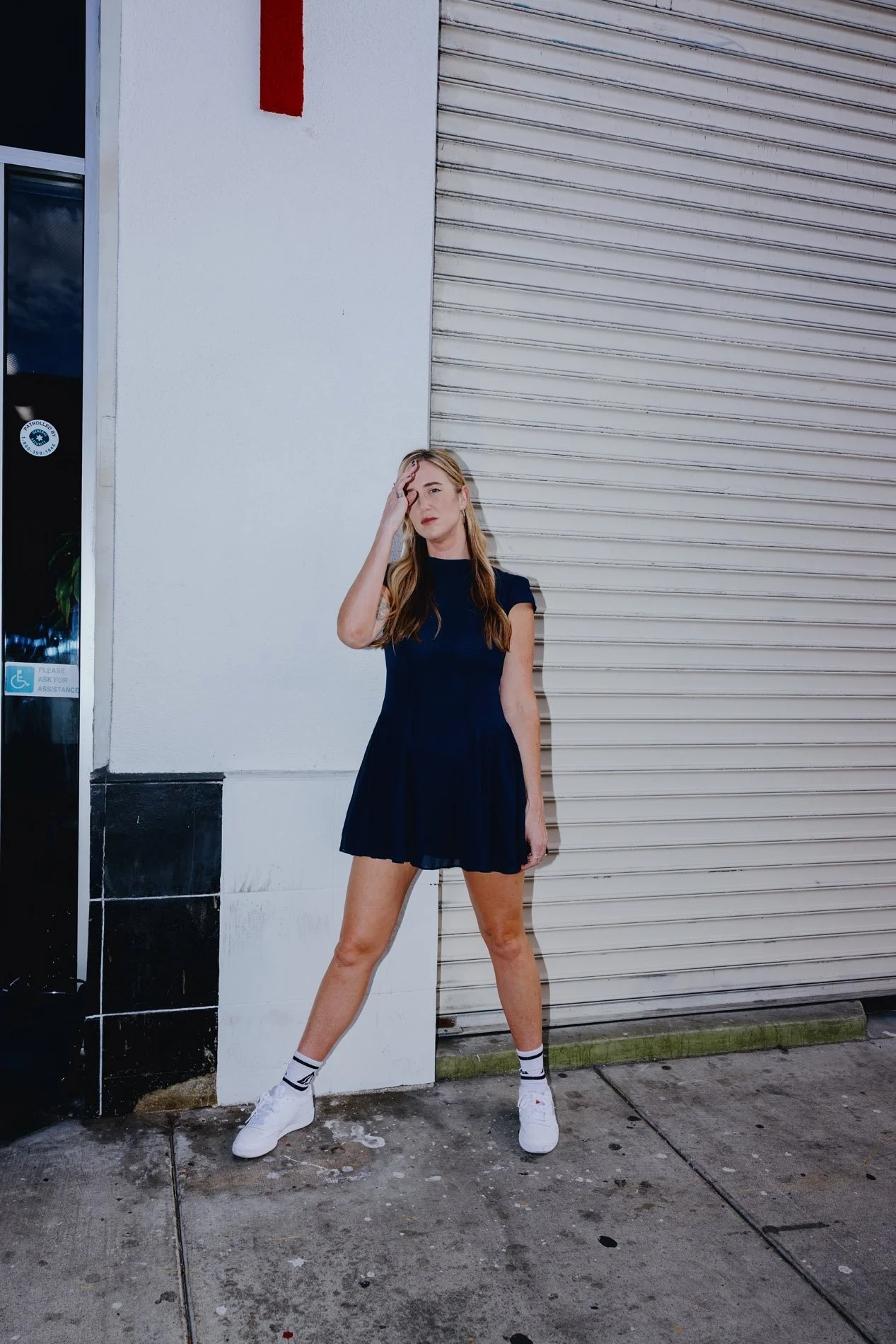
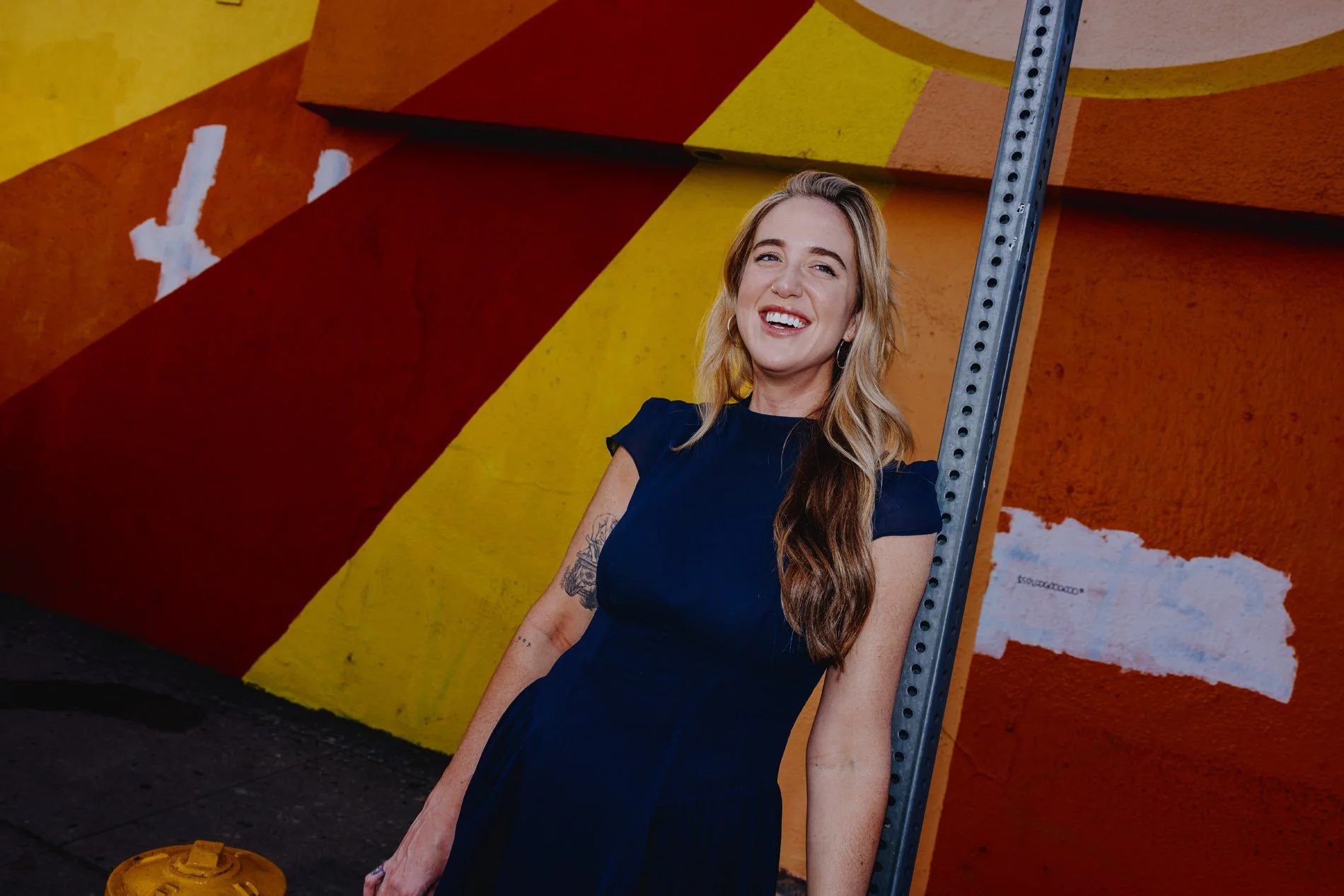
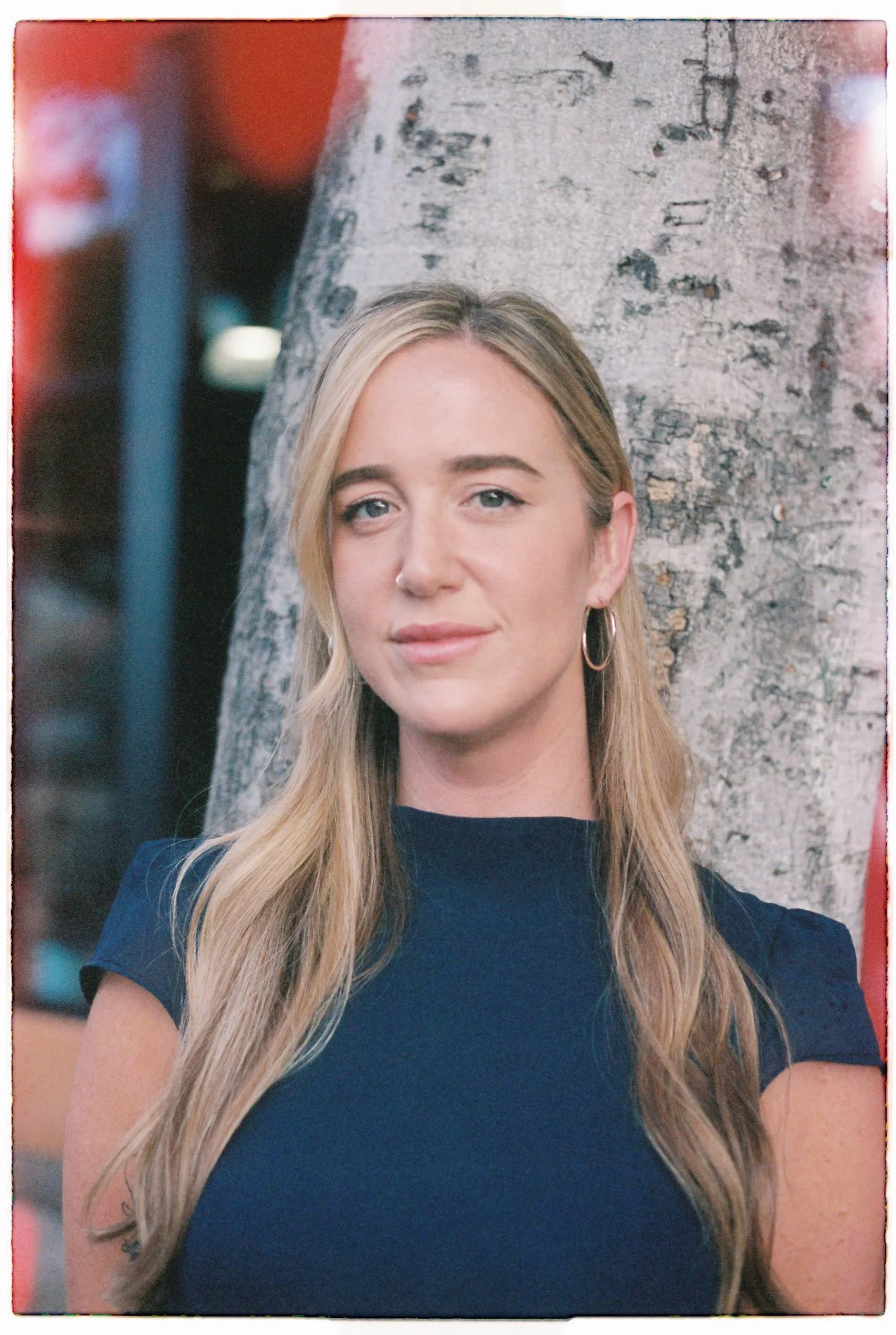
Intro & Photography by Nolwen Cifuentes
Director Racheal Cain and actor Chloë Levine reflect on the long and unconventional journey of making Somnium, an independent film shaped by time, trust, and persistence. In this conversation, they discuss the project’s evolution from shooting early flashbacks with limited resources to navigating years-long financing gaps, COVID-era production, and shifting creative ambitions. Together, they explore the development of a shared language between director and actor, the challenge of scaling expansive ideas to practical realities, and the importance of patience, preparation, and self-permission when bringing deeply personal work to the screen.
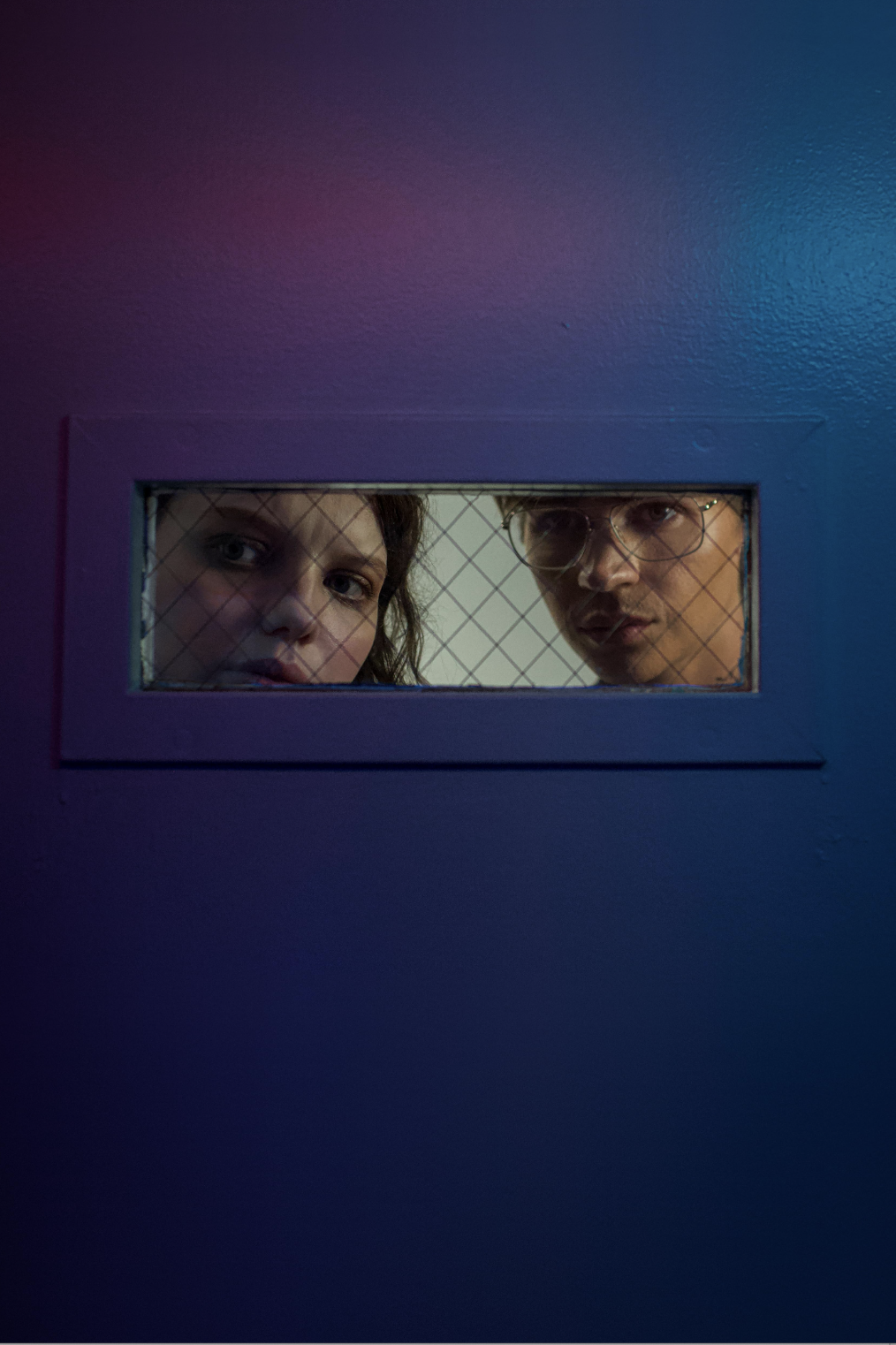
Chloë Levine and Will Peltz - Photo by Shanley Kellis
Racheal: Chloë came to me as a suggestion through Bess Fifer, our casting director. We ended up having two casting directors but Bess helped me cast the first leg of production, the flashbacks scenes. Bess was a massive fan of Chloë. She was like, “this girl's incredible.”
Chloë: I remember being sent the script from Bess and then I went to a party later that night and I ran into Alex Cirillo there, who was one of the EPs. It's one of those like kismet things that I feel happened a lot on Somnium.
Racheal: I totally forgot about that. So many little moments where we just kind of knew we were on the right path onto something.
I knew from having seen your previous work that you’d be great, but I didn't know just how incredibly you would pull off this role. It’s not easy what this character goes through. She goes through just about everything a person can go through.
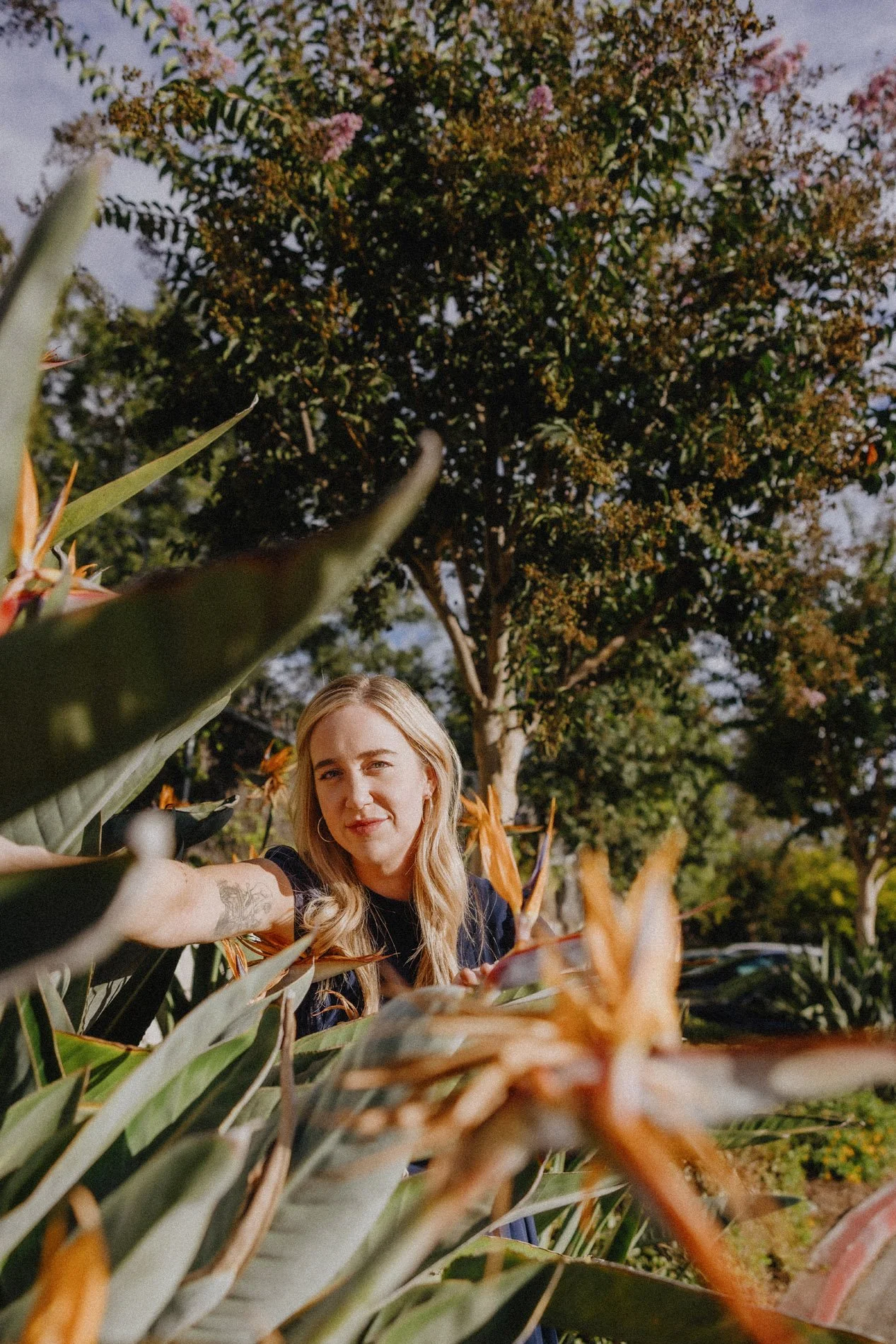
Racheal: I was graduating film school and I had this thesis screenwriting project. I was going through a pretty rough breakup at the time and didn't really know what else to write about.
So I was working through the emotions of the flashback storyline, but I knew I wanted this to be an LA movie. After college, it was either LA or New York. And I was like, well, I'm writing this LA movie so I guess I'll move to LA.
I was bartending at night so I could work on the script in the daytime. It took awhile to get it to a place where I felt ready to move forward with anything. But I had a little bit of financing, and I knew that the flashbacks storyline was complete. That’s when I was like, let’s just pull the trigger. Let's shoot the flashbacks and then use that footage to shop the project. That's when Chloë and Peter [Vack] came on.
We shot those scenes in Georgia and then there was this gap of four and a half years before I was able to find the rest of the financing. Over that period of time, pretty much everything in the script changed apart from the flashbacks storyline.
I originally had her [Gemma] working in a restaurant 'cause everyone says, write what you know. But it actually became this easy shift to have her working in this clinic instead. I was thinking about the concept of future self. In LA, everyone is so consumed with future selves.
I've always been interested in manifesting, The Secret, all of that kind of stuff. My parents were always into it. I've seen it work for me where I would visualize it and, lo and behold, the thing would appear. My dad had built a sensory deprivation tank in our garage when I was a kid. So, if we really trace it back, I guess that’s where it all originates.
Chloë: I was immediately attracted to the script, even back when it was a totally different sort of scenario in the first iteration. It still had the bones of a really relevant story. Which is this younger person finding herself, figuring out what it means to love yourself, what it means to be a person in this world at this time.
I remember reading it and being so taken with how you wrote it, dude! Even now I'm thinking about when I first read the script and I remember you wrote this shot where the writing was like, “fingers run over a bony spine of the creature.” I was like, “who is this woman?” It was so clear that you had such a specific vision. I was like, I will follow this person. I'm in.
Racheal: I knew that being on set would be so chaotic and insane. And I was just like, let me put every single thought into this script so it can be a road map for everyone when I can’t physically be everywhere with everyone on set.
I remember there was a moment, I forget exactly when it was, I think we were in the void maybe. And you did this physicality with the flashlight so perfectly. I was like, “how did you know to do that?!” And you just were like, “it's in the script.”
Chloë: Yeah, even down to the movements. That was all in the script.
Racheal: That is definitely something that saved us. And that was just because I had the time to do it. I know a lot of people don't have that luxury of time. But in those years where I was just writing and trying to piece together financing, I fortunately had time to put that all down.
I used the flashback footage to launch a crowdfunding campaign. I would never crowdfund again. It's such a nightmare. But what I kept in the back of my mind that helped keep me sane was ‘let's look at this as more of a first marketing campaign’. Where can I start to find an audience for this film? And being so visible on social media is actually how I came to find my executive producer, Maria, who helped me find the rest of the financing.
Chloë: I actually didn’t know that you guys didn't have the full funding. I was like, this is a really cool artistic choice that Racheal is making where she wants to take a break. It was really interesting as an actor to be part of that process and to watch things change, to see the evolution of this idea. It was during the pandemic where I was getting drafts from Racheal. I was privy to all of the inside aspects that I feel actors sometimes don't get a chance to see. I knew it would serve the story and would serve the creative vision to have that time pass.
Racheal: It took longer than we had wanted. But I think it worked well. And Chloë, you changed so much over those four years too. Not really physically as much, but you really grew up a lot in those years.
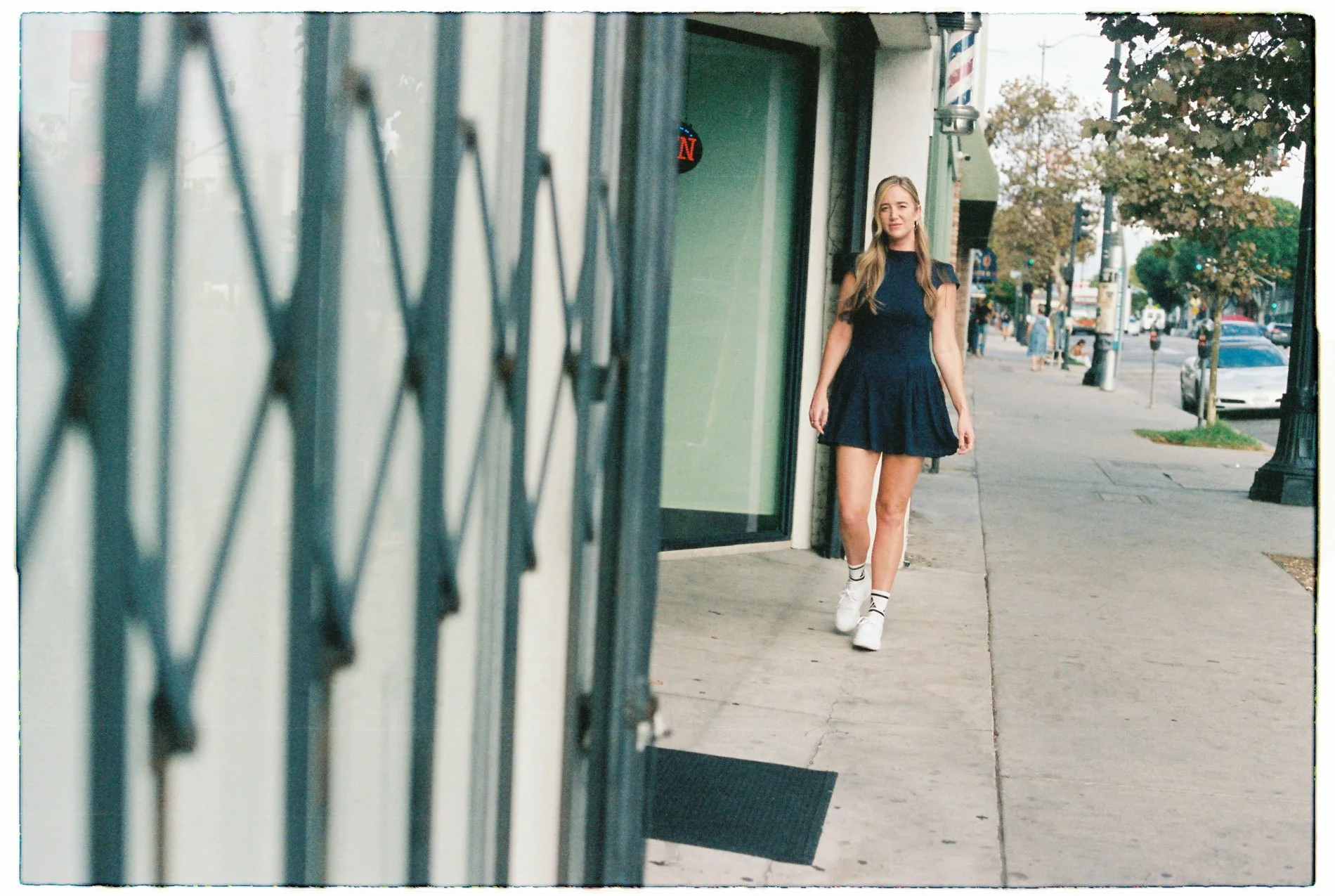
Racheal: It was a lot of push and pull, bringing this vision down into the physical realm, which was cool because you find out what's really essential to the story.
My DP, Lance [Kuhns] and I had a lot of “come to Jesus” moments. We were like, this is so big. How do we scale down? We were really intentional with our shot design, often opting for fewer setups so we could spend more time in them. Which sometimes left me really kicking myself in the edit bay, but hey - if we’re stuck in this long dolly shot because we have nothing to cut to, at least it looks great?
I was introduced to our VFX producer Matt Lathrom, who is a total genius, on a commercial job we were both working. We were fortunate to have a really great working relationship where we could be super honest with each other and really transparent about cost vs value. I was lucky enough to meet him prior to production and we decided to be really strategic with shooting only a handful of cool wide establishing shots and then just let everything else live in this emptiness. Which was sometimes literally just a black curtain. But we chose to invest our time and resources into just those few money shots and trust that the viewer's mind would fill in the rest.
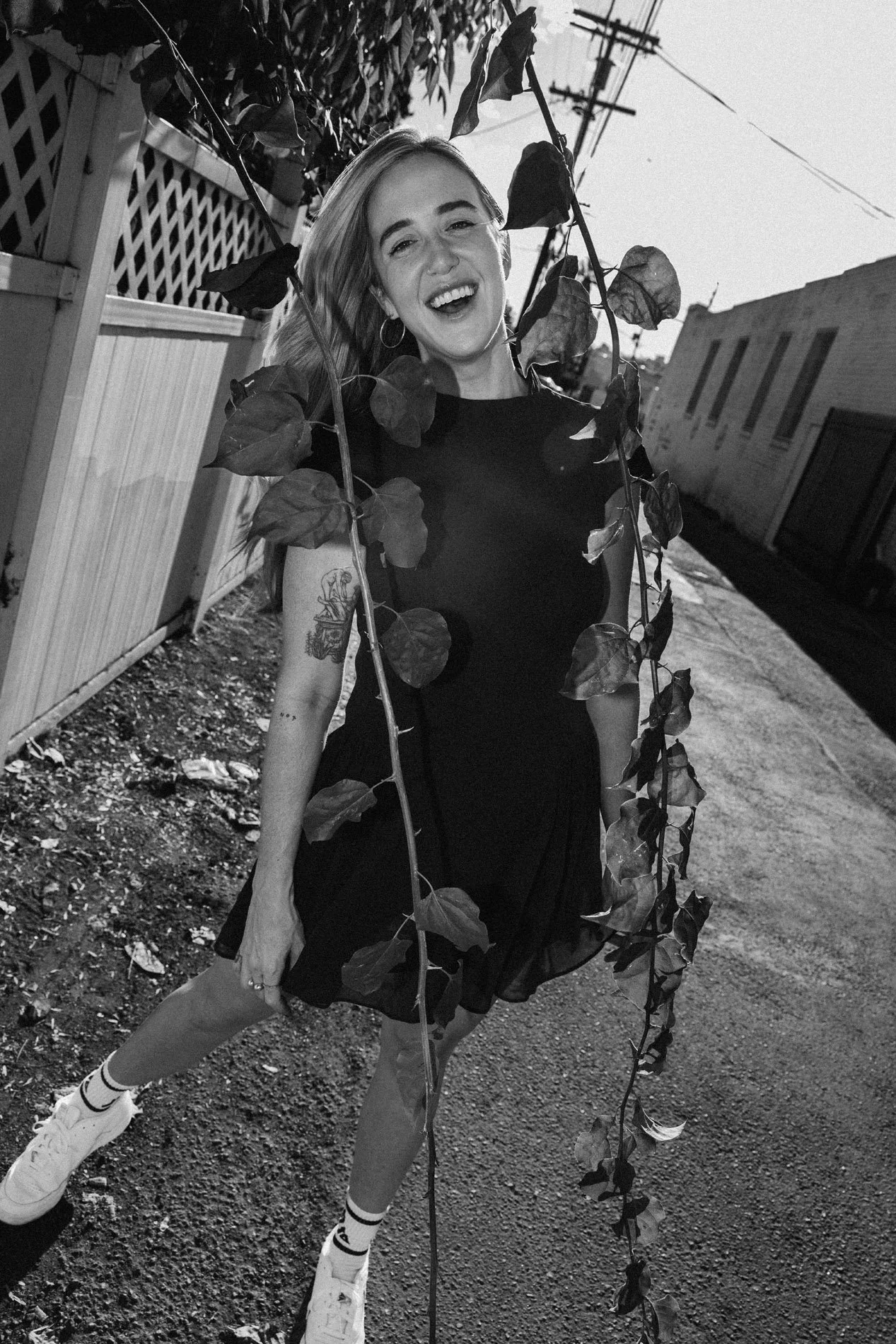
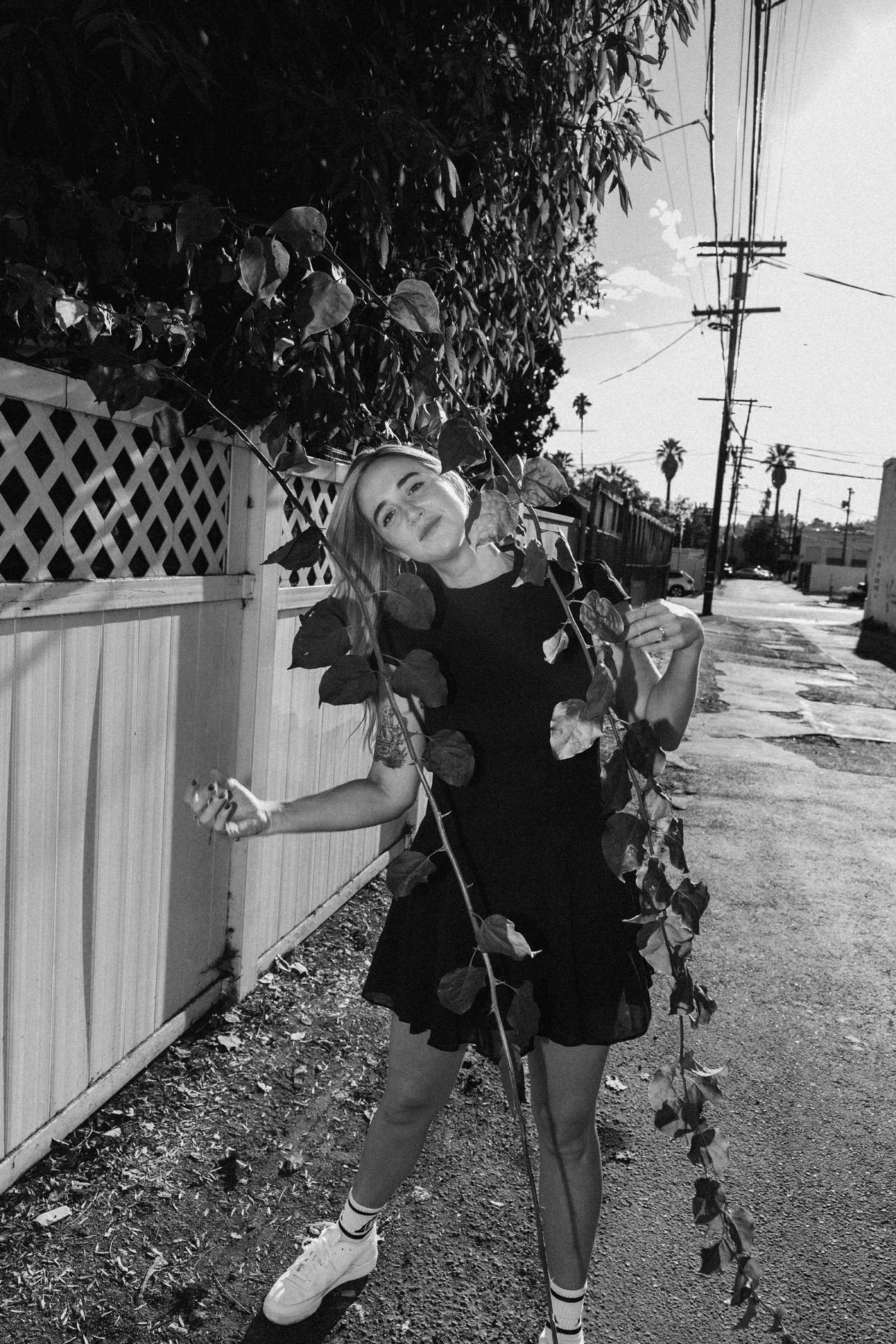
Chloë: When we first shot in Georgia, I knew that I needed to be organized. I took meticulous notes. I also use music a lot in my process. I had a special Gemma playlist that I put all of my manufactured memories into. Smells and snapshots of things. I tried to soak all of that into the music. And then I didn't listen to any of it until we shot again in LA. That was a really helpful tool for me to slip back into those emotions.
It was easy to just be genuine because it felt so real already. I feel like I’ve had so many moments as Gemma. I remember shooting the pickups, and we were shooting this shot where Gemma was waiting for an audition, and I was like, “wow, I’m surrounded by four people who are like better versions of me.” [Laughs].
Racheal: A lot of my process was just trusting you. I was wearing all of the hats and producing as well, doing all of the logistical things. So it was just a lot of putting my complete faith into you. But I knew from shooting the flashbacks that we were in good hands. It was probably annoying 'cause there was a lot of “you're perfect, don't change a thing, I'm going to go talk to this other person or work on this camera move.”
We usually got what we needed on take one, and then take two and take three were luxuries. You barely have any time. There were times where people were literally taking the set down around us while we were shooting.
I saw you as a teammate. You were in your lane doing your thing and I was making sure that everything else was taken care of in another. It was a total joint effort.
Chloë: I'm trying to think if I really was aware of that. Of how much you were trusting me. One night when we were shooting the flashbacks, we were shooting the breakup scene, and you would come in and Peter and I were crying, and you would come in tears streaming down your face.
You’d be like “we're just going to do it one more time.” It was so amazing because it really felt like there were three people in this scene. Like we were in this together. I think that's one of my favorite memories from working on the movie. You were so in it with us.
I never felt like you abandoned me in any way. I felt like we were riding the same wave where I could almost read your mind. I could understand what you wanted so clearly.
Racheal: That scene was so brutal. It was pouring down rain, and I’m sitting on the ground and the driveway’s flooding, and everyone's like, “do you want an apple box to sit on?” I’m like, “no, I'm fine,” as I’m soaked and bawling. But yeah, how could you not? That scene in particular was so special because it was such a real moment in my life and then watching you and Peter be so in it and give so much of yourselves to these characters’ stories. That was a special one to shoot for me.
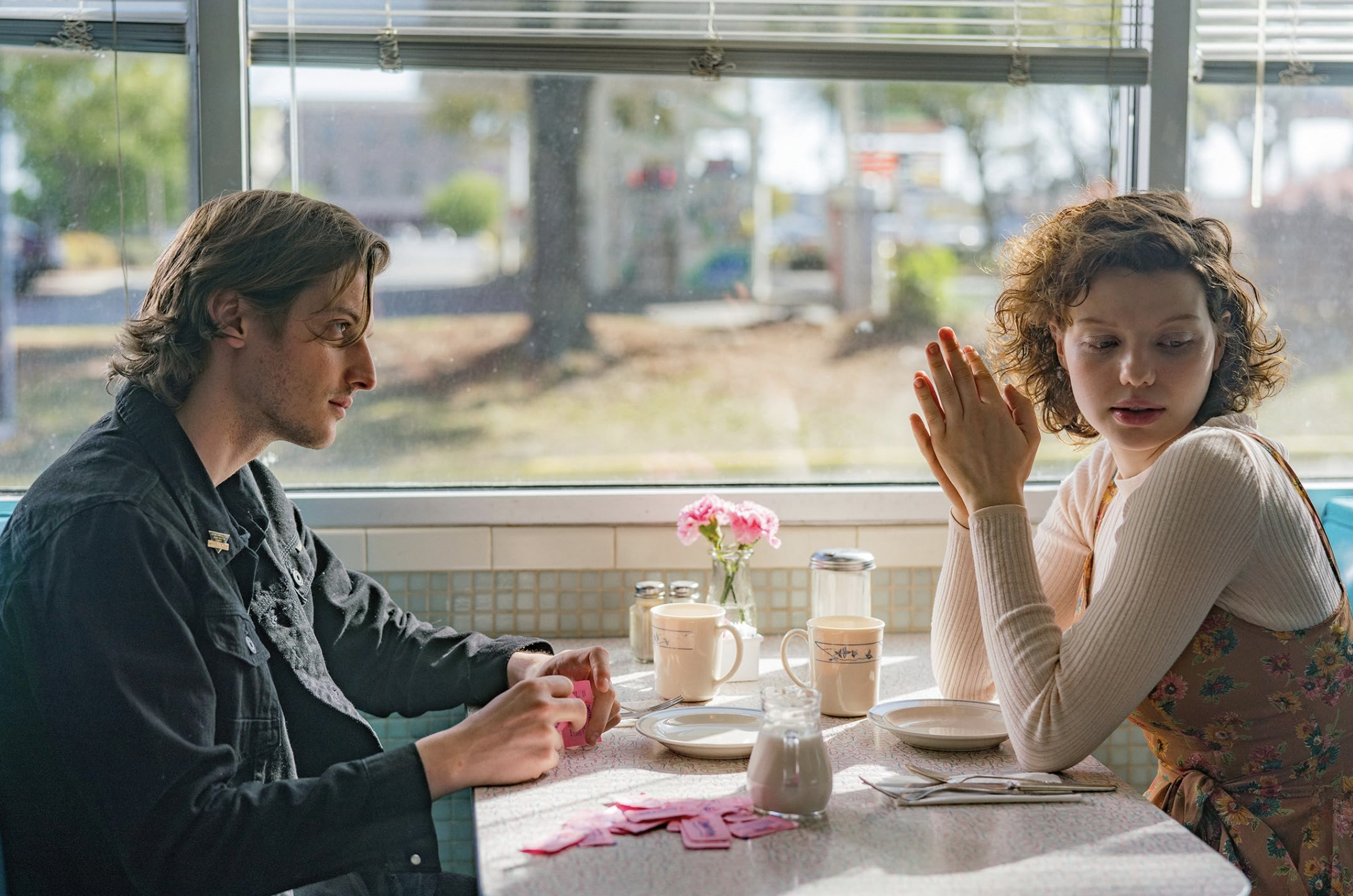
Peter Vack and Chloë Levine - Photo by Nolwen Cifuentes
Racheal: The flashbacks were so free and fun. It was this roadtrip through Georgia and we're just capturing what looks beautiful in the moment. Everything was different in LA. First of all, we’re doing this with the backdrop of COVID and everyone's masked and testing every day. I'm directing in a mask, which is a nightmare.
You're terrified that someone's going to get sick and that it's all going to fall apart because I couldn't afford to pause it at all. I had already paid to rent all of these things and hire all of these people.
So there was a lot more fear. The stakes were so high because I knew we had one shot at it all and one positive COVID test was all it would take for the entire thing to crumble. I definitely preferred the flashbacks and the freedom we had in that. I'm starting to think about what's next and thinking about what was so magical about that. I think the freedom of less people and fewer locations. We also only had Chloë and Peter in Georgia, and I had more time to dig into the performances. And then suddenly, in Los Angeles, we had this enormous cast and crew. It's nowhere near as fun having the burden of the clock over you the entire time you’re trying to be creative. And with a larger machine like that, things were just harder. On day one in LA, a PA crashed the grip truck into a tree. And I'm just thinking, “are we doing this wrong? Are we not supposed to be doing this right now?”
I don't think those two filming experiences could have been more different. I'm curious about your perspective, Chloë, of how they were different for you.
Chloë: First of all, I didn’t even know a PA crashed the truck! That's so crazy.
The flashbacks were much more intimate. LA was such a bigger machine. But, you know, for me it was kind of helpful because from a character standpoint, I could remember when things were simpler. And then suddenly, we’re in this huge city where things are very different. That was kind of helpful for me acting-wise to have that juxtaposition.
With COVID it was this really weird thing as an actor because it felt like whoever your scene partner was, you were the only two people who were not masked. It heightened things in a really interesting way.
Racheal: That’s true, I forgot that whole aspect. You can barely talk and breathe, but also you're not seeing half of people's faces. It’s harder to get a read on what they’re truly thinking and feeling.
It’s nice to finally be outside of it all and not feel like I have to shield you from it anymore. I was so protective. As a director, you take on this maternal persona. You want to shield your actors from anything apart from what’s happening in the scene.
The reality is it's so hard and such a mess. You want everyone to think that you have all the answers and most of the time, you’re just making it up on the fly.
Chloë: I feel like I do my best work when I’m like “I already totally fucked this up. This is already garbage for whatever reason. And so, I’m just going to go and have fun.”
I like starting from that place. It lets me release any sort of obligation that I have to make anything perfect. It helps me let go of any expectations. Because the expectations that you have for yourself, where you want us to end up, those mental traps that we get into can be detrimental to performance. I tell my brain “thank you so much for giving me that information. Don't need it right now.” I give myself permission to be bad. Sometimes it'll be bad and sometimes it'll be awesome.
Racheal: I want to piggyback a little bit on that, about giving yourself permission, but just giving yourself permission to start.
I spent so many of those first years just waiting around for some mythological person to come down and tell me, “okay, you may begin. This is good enough, you are good enough - you may proceed.” It took me years to realize that no one was ever coming to tell me that. You have to be the one to continuously give yourself permission.
And it's not a one-time thing. It's constant. Sometimes a couple times a week. I found that I'm pretty good at self-motivating and that's a huge part of it. Setting your own deadlines. You're going to feel imposter syndrome because so much of it is this thing that you've created for yourself.
But that's the way that it got done for me. No one's coming to hold your hand and tell you that it's okay to start. So give yourself the green light and be nice to yourself.
✦
You May Also Like


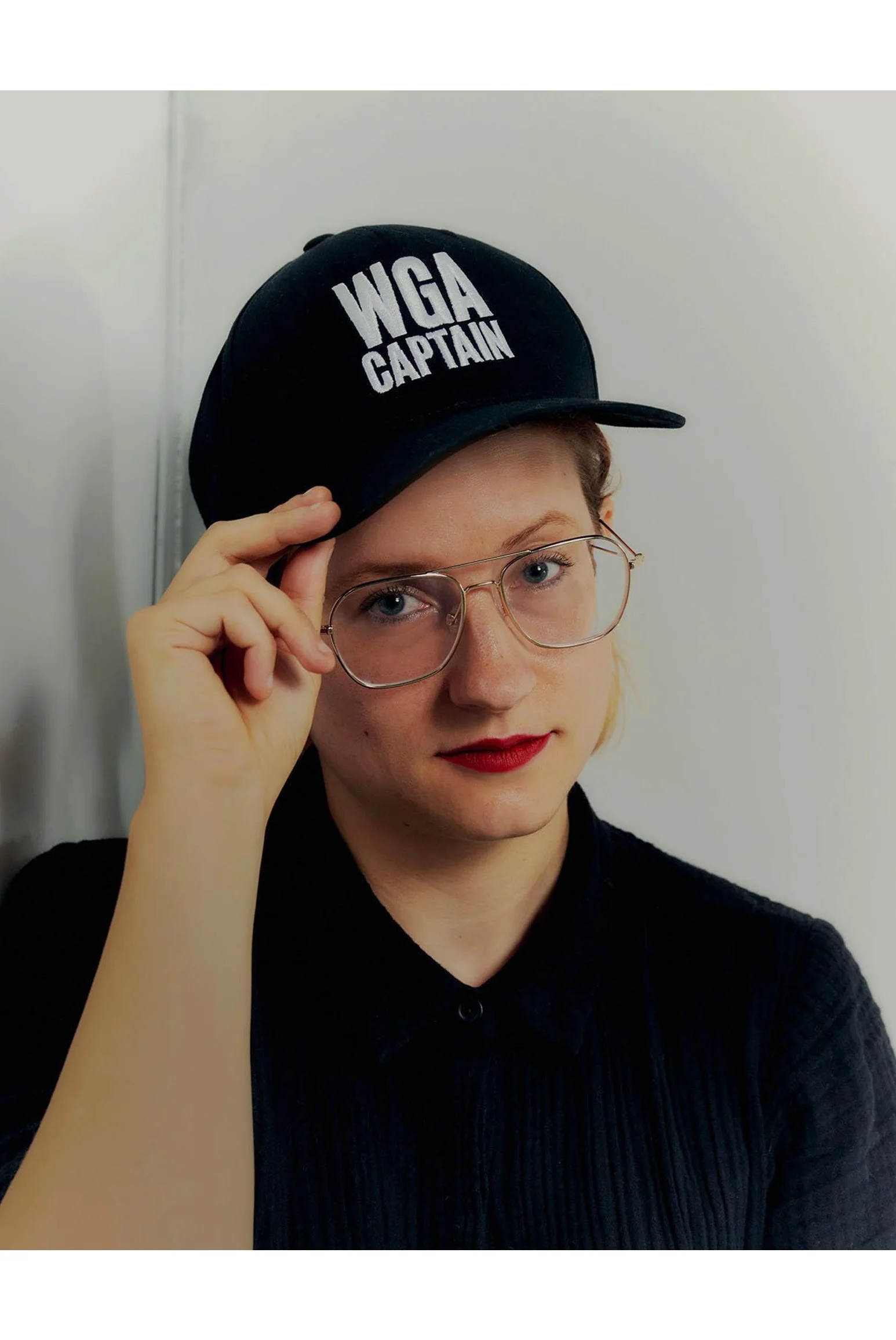

Director Tracie Laymon chats about making their film Bob Trevino Likes It under a SAG-AFTRA interim agreement.